Design Considerations for Waterproofing, Corrosion Resistance, and Lightning Protection in Traffic Facilities
Waterproofing Measures in Traffic Equipment
Traffic facilities, including street light poles, traffic signals, and LED luminaires, are exposed to rain, snow, and humidity throughout their service life. To maintain reliable operation, these components incorporate waterproofing designs such as sealed enclosures, gaskets, and IP-rated housings. The use of IP65 or higher-rated enclosures ensures that internal electronic components are protected from water ingress, preventing short circuits and malfunction during adverse weather conditions. Sealed connectors and protective coatings are applied to sensitive wiring to further enhance resistance to moisture penetration.
Corrosion-Resistant Materials and Coatings
Corrosion is a common challenge for outdoor traffic infrastructure due to exposure to rain, salt, and pollutants. Materials such as galvanized steel, aluminum alloys, and stainless steel are often selected for poles, brackets, and mounting structures. Protective coatings, including powder coatings and anti-corrosion paints, provide an additional barrier against oxidation and surface degradation. These treatments are designed to maintain structural integrity over time, reducing maintenance needs and extending the service life of traffic facilities.
Lightning Protection Systems
Traffic facilities, particularly those installed in open areas, are susceptible to lightning strikes that can damage electronic controls and lighting components. To address this, lightning protection systems are integrated into the design. Grounding rods, surge protectors, and conductive pathways safely channel electrical energy into the ground. For LED street lights and smart control units, surge protection devices prevent voltage spikes from damaging sensitive electronics, ensuring continuous operation even during thunderstorms.
Design Integration for Multi-Layer Protection
Modern traffic facilities incorporate waterproofing, corrosion resistance, and lightning protection in a coordinated manner. For example, an LED street light may use an IP66 enclosure, stainless steel mounting hardware with powder coating, and integrated surge protection connected to a grounding network. This multi-layer approach ensures that each component contributes to overall durability and safety, reducing the risk of operational interruptions and structural failures.
Testing and Quality Assurance
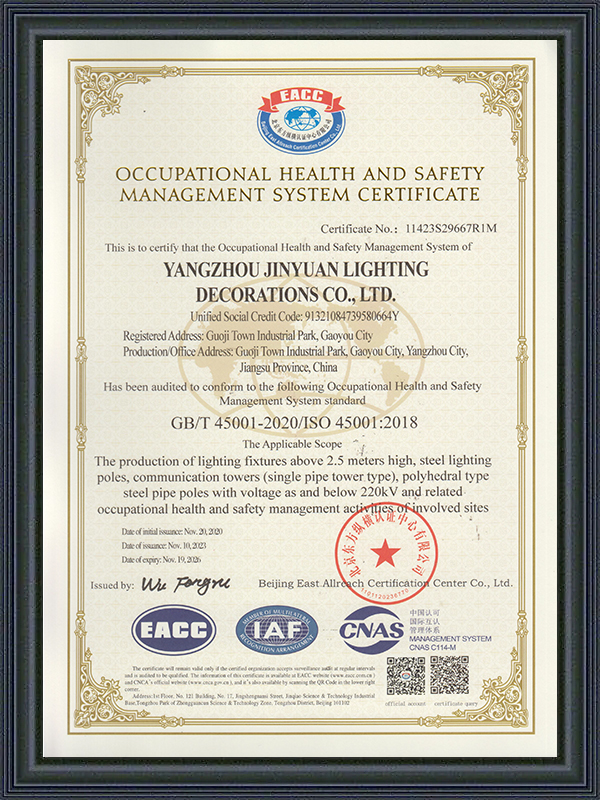
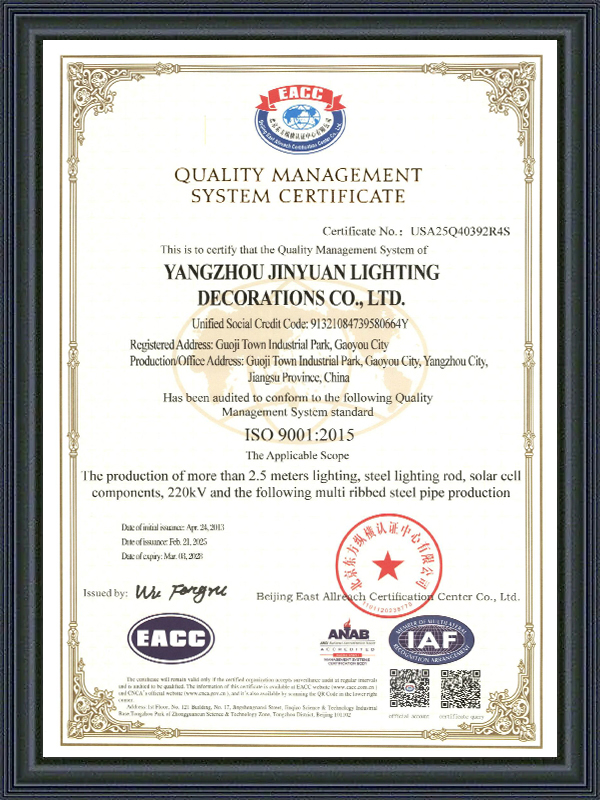
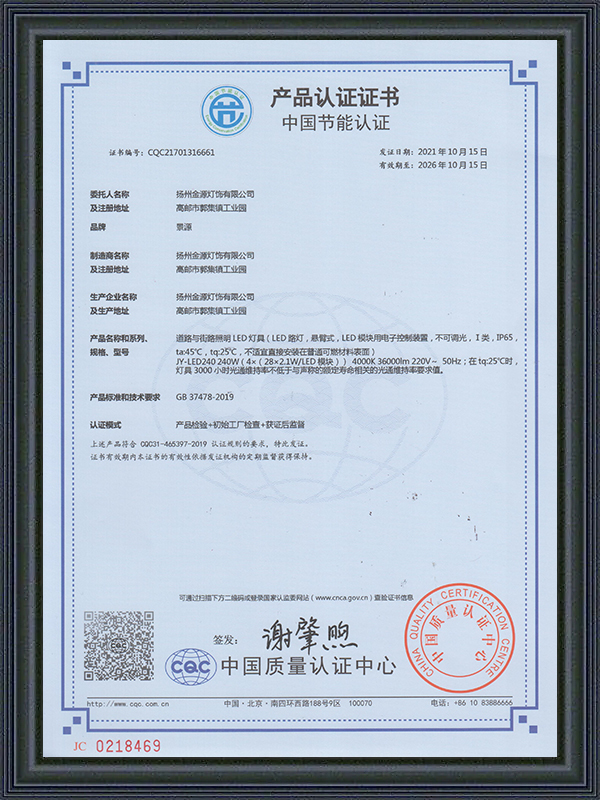
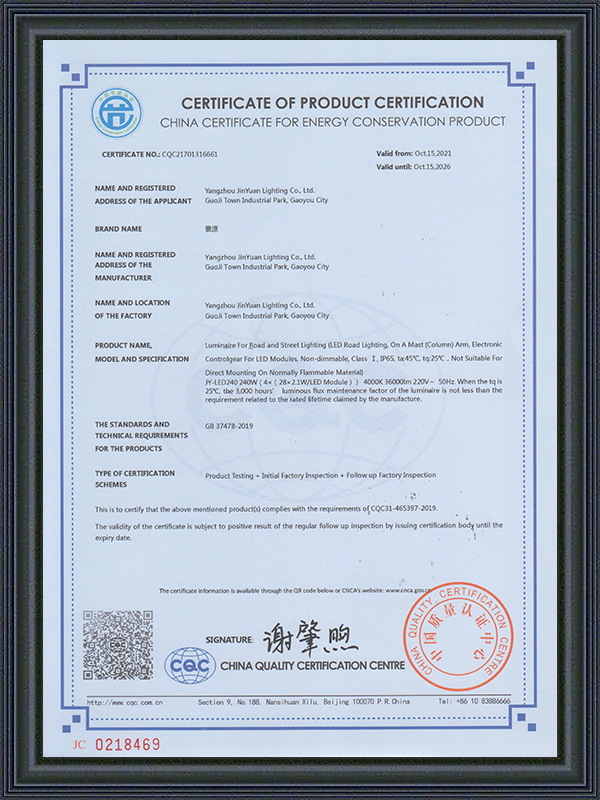
To ensure that traffic facilities perform as intended, rigorous testing procedures are conducted during design and production. Waterproofing is verified using immersion and spray tests, corrosion resistance is assessed through salt spray and humidity chamber evaluations, and lightning protection systems undergo high-voltage surge simulations. These tests provide assurance that materials and assemblies can withstand real-world environmental stresses. Yangzhou Jinyuan Lamps Co., Ltd follows these testing protocols to meet both national and international standards for outdoor lighting and traffic equipment.
Material Selection and Lifecycle Considerations
Selecting appropriate materials for traffic facilities requires balancing cost, environmental resistance, and longevity. Steel poles may be hot-dip galvanized and powder coated to resist rust, while aluminum components offer inherent corrosion resistance and reduced weight. Grounding systems for lightning protection use conductive copper or galvanized steel. Lifecycle considerations include the ease of maintenance, potential replacement of components, and minimizing downtime, ensuring that facilities remain operational for decades without significant intervention.
Monitoring and Maintenance Practices
Even with advanced design, routine monitoring and maintenance are essential to maintain waterproofing, corrosion resistance, and lightning protection. Periodic inspection of seals, gaskets, coatings, and grounding connections identifies wear or degradation early. Maintenance records guide timely repairs or component replacements. For smart traffic facilities, remote monitoring systems can provide alerts for abnormal conditions such as moisture ingress, electrical surges, or corrosion-related faults, enabling proactive maintenance.
Performance Metrics Table
The table below summarizes key design parameters and their impact on the performance and safety of traffic facilities:
| Design Aspect |
Implementation |
Impact on Safety & Reliability |
| Waterproofing |
IP-rated enclosures, sealed connectors, gaskets |
Prevents water-related failures and electrical hazards |
| Corrosion Resistance |
Galvanized or aluminum materials, powder coatings |
Maintains structural integrity and reduces maintenance needs |
| Lightning Protection |
Grounding rods, surge protectors, conductive pathways |
Protects electronics and ensures continuous operation during storms |
| Integrated Protection |
Combination of waterproofing, corrosion-resistant materials, and surge protection |
Enhances durability and safety of traffic facilities over long-term use |
FAQ
Q: How do traffic facilities ensure long-term durability under varying environmental conditions?
A: Traffic facilities are designed with corrosion-resistant materials and protective coatings to withstand exposure to rain, wind, and pollution. Components like poles, brackets, and enclosures are tested for material integrity, which helps maintain structural stability and reduces maintenance frequency over time.
Q: What measures are implemented to protect traffic facilities from electrical surges and lightning?
A: Lightning protection systems, including grounding rods, surge protection devices, and conductive pathways, are integrated into traffic facilities. These systems help divert excessive voltage away from sensitive electronics, safeguarding lighting and control units during thunderstorms or power fluctuations.
Q: How is maintenance of traffic facilities optimized for urban management?
A: Smart monitoring systems track the operational status of lighting units, sensors, and power systems. Remote alerts for abnormal conditions enable targeted inspections and timely repairs, reducing downtime and improving the efficiency of urban infrastructure management.
Q: How are traffic facilities adapted for energy efficiency?
A: LED lighting, adaptive dimming, and solar-powered units are commonly used to optimize energy consumption. These technologies allow lighting intensity to adjust according to traffic flow and environmental conditions, providing sufficient illumination while reducing energy costs.
Q: How do traffic facilities maintain safety for pedestrians and vehicles?
A: Strategic placement of lighting poles, consistent illumination levels, and anti-glare designs enhance visibility on roadways. Additionally, durable materials and properly grounded electrical systems reduce hazards, contributing to safer transportation environments.
Q: Can traffic facilities integrate with urban smart management systems?
A: Yes, many traffic facilities can be connected to IoT platforms and urban management networks. This integration allows real-time monitoring, adaptive control of lighting, and data collection for traffic and energy analysis, supporting smarter and more responsive city infrastructure.
Q: How is structural integrity monitored over the lifetime of traffic facilities?
A: Regular inspections assess pole alignment, foundation stability, and material condition. Sensors and maintenance software can provide alerts for signs of wear or stress, enabling proactive maintenance and ensuring facilities remain operational without compromising safety.