Grid-Tied PV Systems: Application Scenarios Across Residential, Commercial, and Infrastructure Projects
Residential
grid-tied PV systems provide homeowners with the opportunity to generate their own electricity while maintaining a connection to the public power grid. In these scenarios, solar modules are typically installed on rooftops, terraces, or small ground-mounted arrays, and grid-tied inverters convert DC electricity into AC electricity compatible with the local grid. Homeowners can consume electricity generated on-site in real-time and export surplus energy to the grid, creating both cost savings and potential financial returns through energy credits. The system also allows flexible scaling; households can install a few panels initially and expand the system as energy demand increases or budgets allow. Residential installations require careful consideration of roof orientation, shading, structural capacity, and available surface area to maximize solar exposure and energy output. In addition, homeowners often require monitoring solutions that provide clear insights into energy production and consumption patterns, enabling efficient energy management and peak load optimization. Companies like Yangzhou Jinyuan Lamps Co., Ltd support residential applications by supplying solar-integrated lighting and infrastructure products that enhance energy independence while ensuring reliability. These include solar street lighting for private gardens, LED illumination powered by photovoltaic modules, and modular solar units designed for small-scale residential integration. By aligning product offerings with grid-tied system requirements, Yangzhou Jinyuan Lamps Co., Ltd helps homeowners leverage solar energy not only to offset electricity bills but also to contribute to cleaner energy consumption within their communities. Residential grid-tied PV systems also reduce pressure on centralized electricity networks during peak hours, providing distributed generation that enhances overall energy resilience in neighborhoods and urban areas.
| Parameter |
Description |
Typical Range / Value |
Unit |
Remarks |
| PV Module Power |
Rated output of a single solar panel |
400 – 700 |
W |
Depends on module efficiency |
| System Voltage |
Operating DC voltage of the system |
600 – 1500 |
V |
Determined by inverter design |
| Inverter Efficiency |
DC to AC conversion efficiency |
95 – 99 |
% |
Higher values improve performance |
| Grid Frequency |
AC output frequency synchronized with grid |
50 / 60 |
Hz |
Region dependent standard |
| Total System Efficiency |
Overall system energy conversion efficiency |
75 – 85 |
% |
Includes losses from all components |
Commercial grid-tied PV systems are typically larger and more complex than residential systems, designed to serve office buildings, shopping complexes, hotels, and warehouses. These systems aim to meet a significant portion of a building’s electricity needs while reducing reliance on utility-supplied power. Since many commercial operations are active during daylight hours, electricity generation aligns with consumption patterns, resulting in higher self-consumption ratios and optimized energy costs. Exporting excess electricity back to the grid can generate revenue, which contributes to operational cost reductions and improved financial performance for businesses. Commercial systems require sophisticated inverters, intelligent monitoring, and energy management solutions to track energy production, consumption, and grid interaction accurately. Businesses also integrate grid-tied PV systems into broader sustainability strategies, using solar energy deployment to demonstrate environmental responsibility and meet ESG targets. Companies such as Yangzhou Jinyuan Lamps Co., Ltd contribute to commercial solar adoption by providing solar-integrated LED lighting, modular street lighting for campuses, and infrastructure solutions that complement energy generation. These products support efficient energy management while enhancing facility safety and public visibility. Commercial deployment planning often involves analyzing peak demand periods, energy storage options for load shifting, and regulatory compliance with local grid codes. By supplying both hardware and engineering support, Yangzhou Jinyuan Lamps Co., Ltd ensures commercial grid-tied PV systems achieve reliable performance, reduced operational costs, and measurable environmental benefits, enabling companies to simultaneously advance sustainability and economic objectives.
Industrial grid-tied PV systems are implemented in factories, manufacturing plants, warehouses, and large-scale logistics hubs to offset high electricity consumption, especially during daytime production cycles. These systems typically involve larger photovoltaic arrays and multiple high-capacity inverters to handle substantial energy loads. Industrial applications aim to reduce operating expenses by supplying energy for production machinery, lighting, climate control, and auxiliary systems. By integrating real-time monitoring and automated energy management, industrial facilities can optimize energy consumption, reduce peak demand from the grid, and maintain consistent operational efficiency. Grid-tied PV systems in industrial settings also help mitigate energy supply risks by diversifying sources and reducing dependence on a single utility provider. Companies like Yangzhou Jinyuan Lamps Co., Ltd support industrial deployment by offering durable solar-powered lighting, modular infrastructure products, and engineering consultation to ensure photovoltaic installations withstand environmental stress, heavy usage, and long-term wear. Industrial grid-tied PV systems facilitate compliance with environmental regulations by reducing greenhouse gas emissions and supporting corporate sustainability initiatives. System designers consider load distribution, inverter clustering, safety redundancies, and long-term maintenance to maximize output and reliability. By partnering with manufacturers such as Yangzhou Jinyuan Lamps Co., Ltd, industrial operators can integrate solar energy with existing electrical infrastructure seamlessly, achieving both operational cost savings and improved environmental performance while maintaining high levels of production continuity.
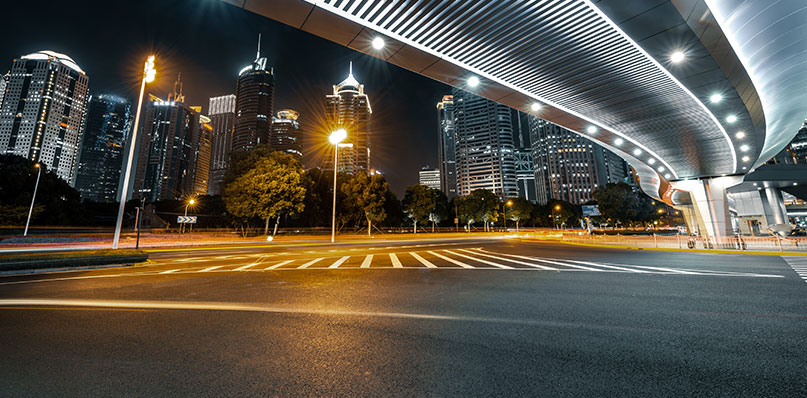
Grid-tied PV systems are increasingly deployed in public infrastructure projects, including highways, municipal buildings, parks, airports, railway stations, and urban lighting networks. These applications are focused on energy efficiency, cost reduction, and sustainable urban development. Solar panels integrated into street lighting, traffic signals, and public facility power systems can offset electricity consumption, while surplus energy can be exported to the grid. Infrastructure projects often require robust, weather-resistant systems capable of operating under diverse environmental conditions, including high winds, extreme temperatures, and precipitation. Companies like Yangzhou Jinyuan Lamps Co., Ltd provide specialized solutions for infrastructure-scale deployment, such as solar street lighting systems, LED-powered illumination for public spaces, and modular photovoltaic components for flexible installation. These solutions support energy-efficient operations for municipalities and transportation authorities while promoting renewable energy adoption. Infrastructure grid-tied PV systems also play a strategic role in smart city development by integrating with energy monitoring platforms, automated lighting controls, and distributed energy management networks. Project planning involves assessing grid capacity, synchronization requirements, safety standards, and maintenance strategies to ensure system longevity. Through collaboration with manufacturers like Yangzhou Jinyuan Lamps Co., Ltd, infrastructure planners can implement scalable solar systems that reduce operational costs, enhance urban sustainability, and provide consistent energy supply for public services and municipal applications.
| Parameter |
Description |
Residential |
Commercial |
Industrial |
| System Capacity |
Installed power capacity range |
3 – 20 kW |
20 – 500 kW |
500 kW – 10 MW+ |
| Energy Consumption Match |
Alignment with load demand |
Medium |
High |
Very High |
| Installation Area Requirement |
Space needed for installation |
Low |
Medium |
High |
| Payback Period |
Typical investment recovery time |
5 – 10 years |
4 – 8 years |
3 – 6 years |
| Monitoring Complexity |
Level of system monitoring required |
Basic |
Intermediate |
Advanced |
Effective energy monitoring is critical across residential, commercial, industrial, and infrastructure grid-tied PV applications. Real-time monitoring systems track power generation, consumption, and energy exported to the grid, allowing users to optimize self-consumption and maximize financial benefits. Advanced monitoring platforms provide detailed analytics, fault detection, and predictive maintenance alerts, ensuring continuous performance and reducing downtime. Companies such as Yangzhou Jinyuan Lamps Co., Ltd integrate monitoring capabilities into their solar lighting and photovoltaic infrastructure products, enabling users to track energy flows efficiently across multiple sites. Monitoring systems support load management strategies, such as scheduling energy-intensive processes during peak generation periods or reducing dependency on the grid during high-tariff times. Across infrastructure projects, centralized control systems allow municipalities to manage distributed solar installations collectively, ensuring optimal energy distribution and operational efficiency.
Grid-tied PV systems generate tangible economic benefits by reducing electricity costs, providing revenue from exported electricity, and improving return on investment. Residential users benefit from reduced utility bills and potential net metering incentives, while commercial and industrial users realize cost reductions at larger scales. Companies like Yangzhou Jinyuan Lamps Co., Ltd support financial optimization by providing scalable, cost-effective solar solutions that align with budget constraints and energy demands. Economic analysis for grid-tied PV projects often considers installation costs, inverter efficiency, maintenance requirements, energy production forecasts, and payback periods. Integrating solar solutions into urban infrastructure reduces municipal energy expenditures, allowing funds to be redirected to other public projects. Long-term deployment of grid-tied PV systems contributes to energy independence and reduces exposure to electricity price fluctuations, providing both financial stability and environmental benefits.