What Is the Difference Between Wide Beam and Narrow Beam Floodlights?
In the specialized field of outdoor illumination, understanding the physics of light distribution is not merely a technical detail; it is the fundamental prerequisite for achieving successful project outcomes and visual precision. The primary distinction between wide beam and narrow beam industrial floodlights lies in the "Beam Angle." This technical parameter, measured in degrees, dictates how photons are emitted from the source and how they interact with the physical environment, textures, and the subjects they are intended to illuminate.
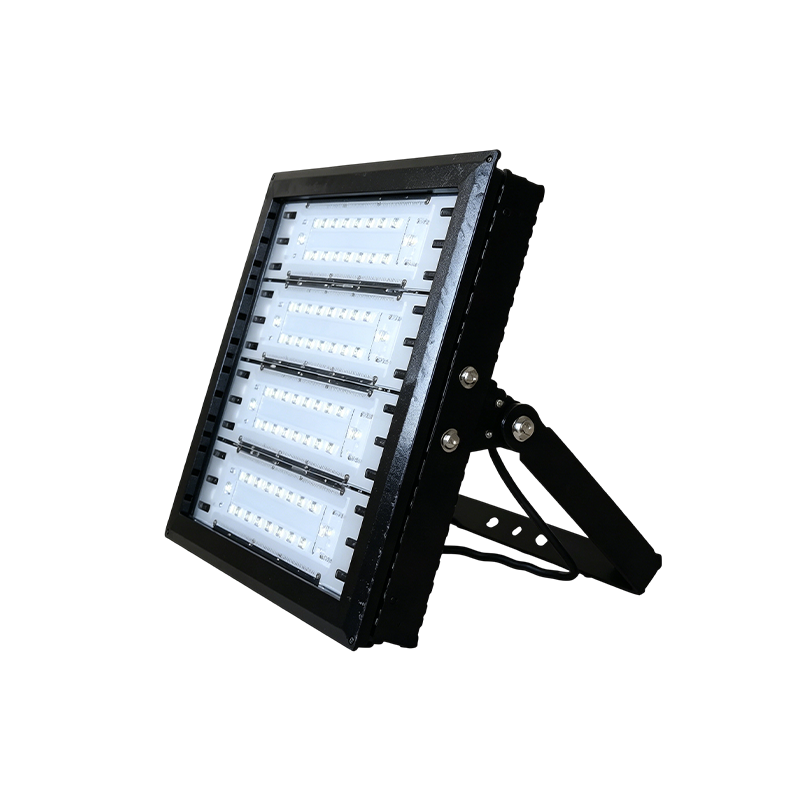
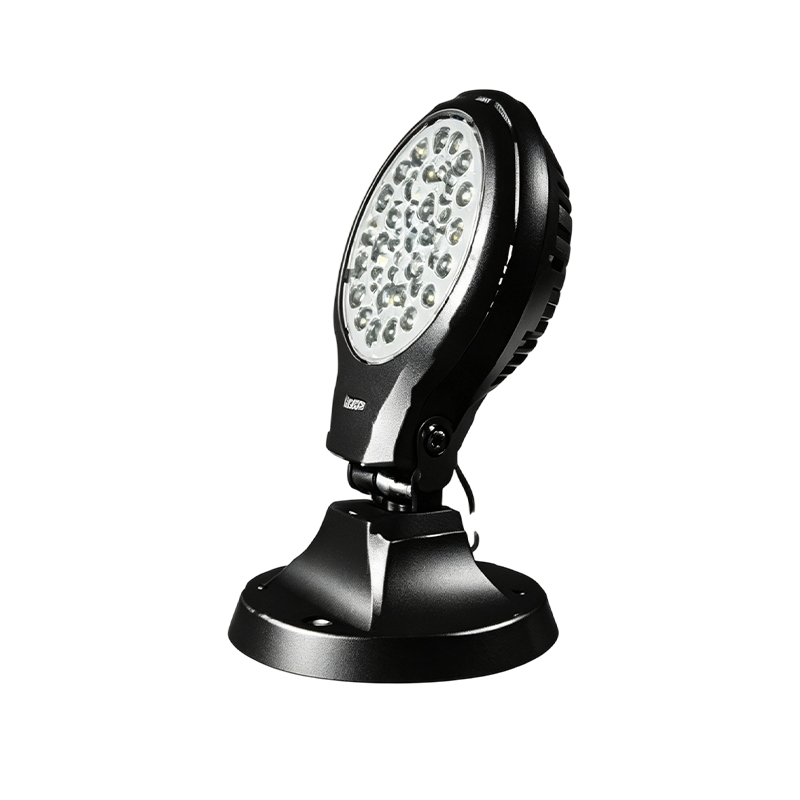
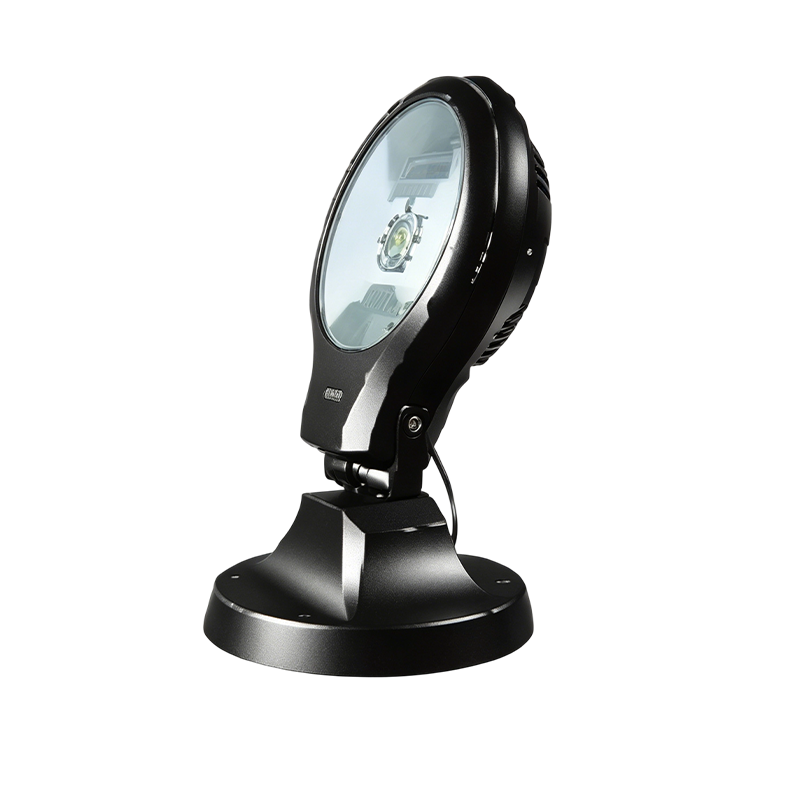
The Physics of Beam Angles and Light Scattering A wide beam floodlight typically features a beam angle of 90 degrees or greater, often reaching up to 120 degrees in high-performance units. This creates a broad, "wash" effect that covers a significant surface area from a relatively short distance. From a physical perspective, wide beams utilize specialized secondary optics to scatter the light across a horizontal and vertical plane simultaneously. In contrast, a narrow beam floodlight (frequently referred to as a "spotlight") utilizes parabolic reflectors or TIR (Total Internal Reflection) lenses to concentrate light into a tight, intense column, typically between 10 and 45 degrees. While narrow beams are designed to travel long distances to highlight specific architectural details or distant statues, wide beams are the fundamental "workhorses" of general area visibility and safety.
Luminous Intensity vs. Footprint Coverage There is an inherent and unavoidable trade-off between the intensity of the light and the footprint it covers. Because a narrow beam concentrates its total lumen output into a restricted area, the "Center Beam Candlepower" (CBCP) is extremely high, resulting in a very bright, punchy spot. A wide beam floodlight distributes those same lumens over a much larger surface. Consequently, while the light may appear less "intense" at a single coordinate, the uniformity of illumination is significantly higher. This uniformity is critical for human ocular health, as it prevents eye fatigue caused by constant pupil adjustment between high-contrast zones. Furthermore, it ensures that surveillance cameras can capture clear, balanced images across the entire field of view without being blinded by glare or losing detail in deep, pitch-black shadows.
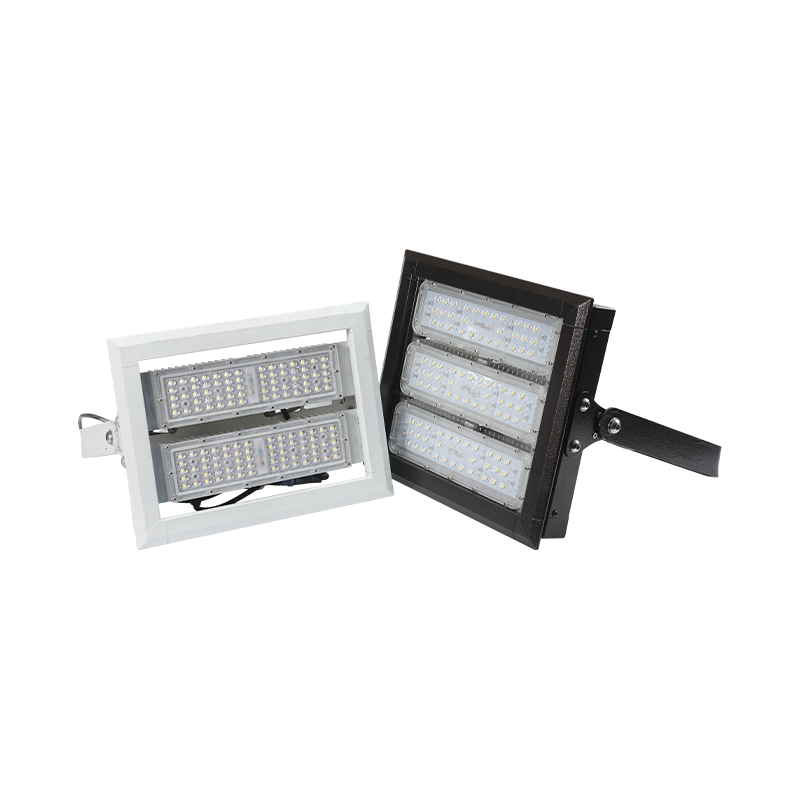
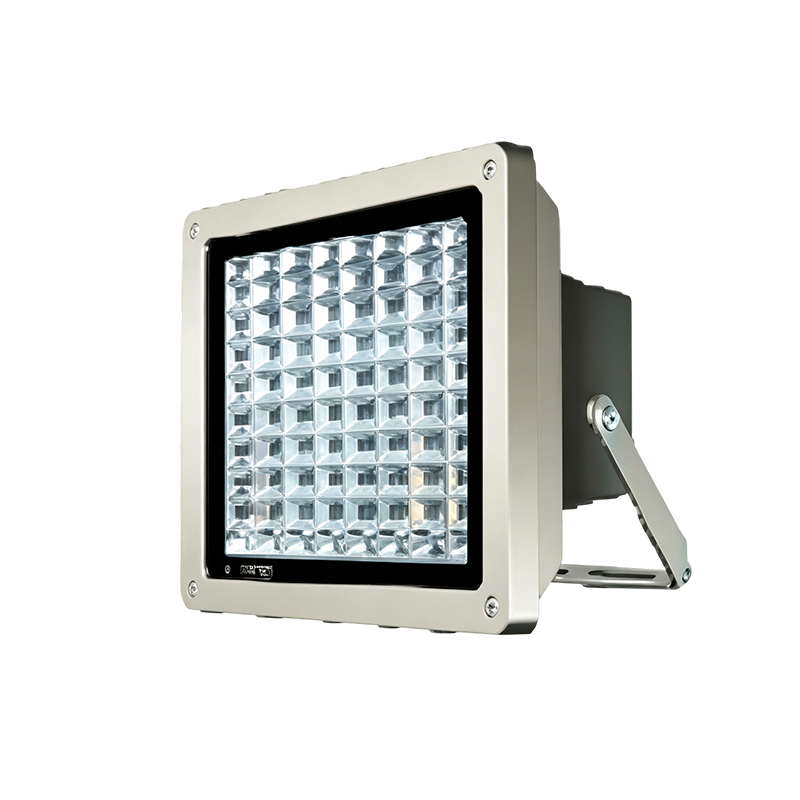
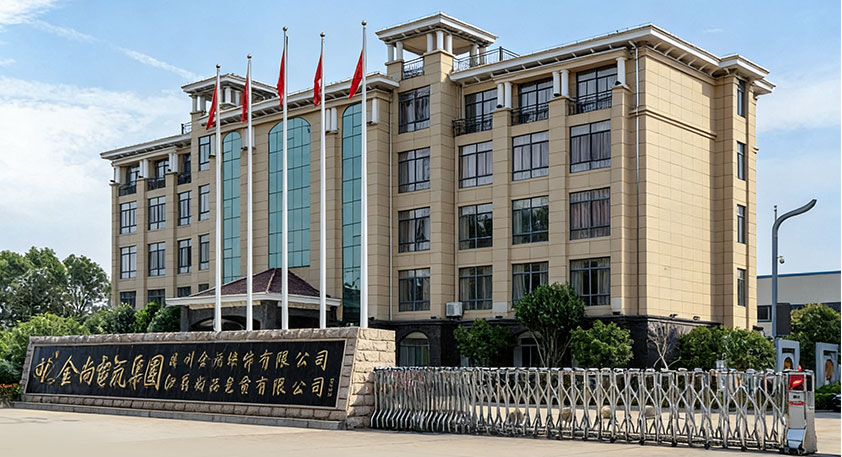
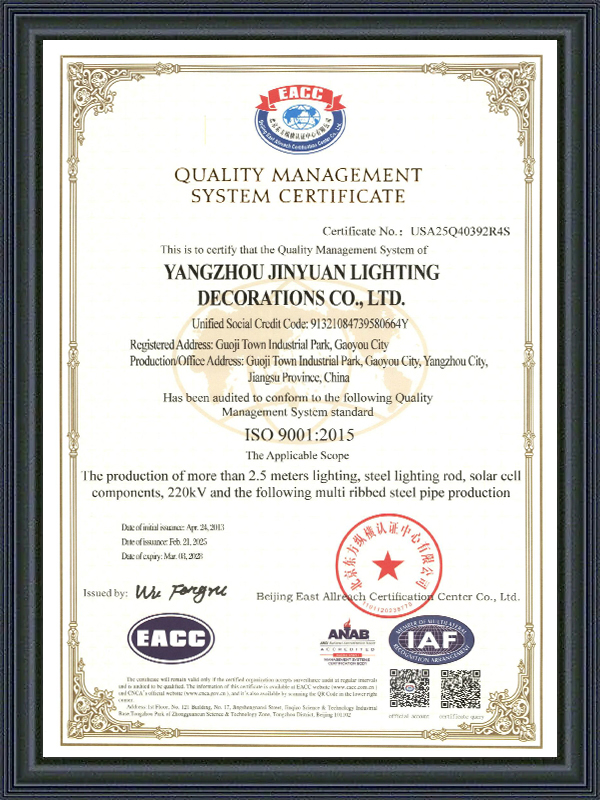
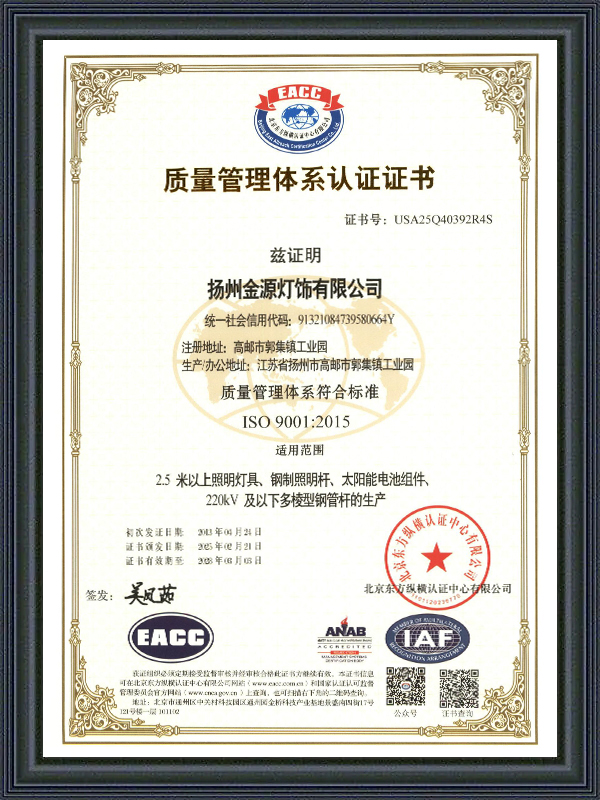
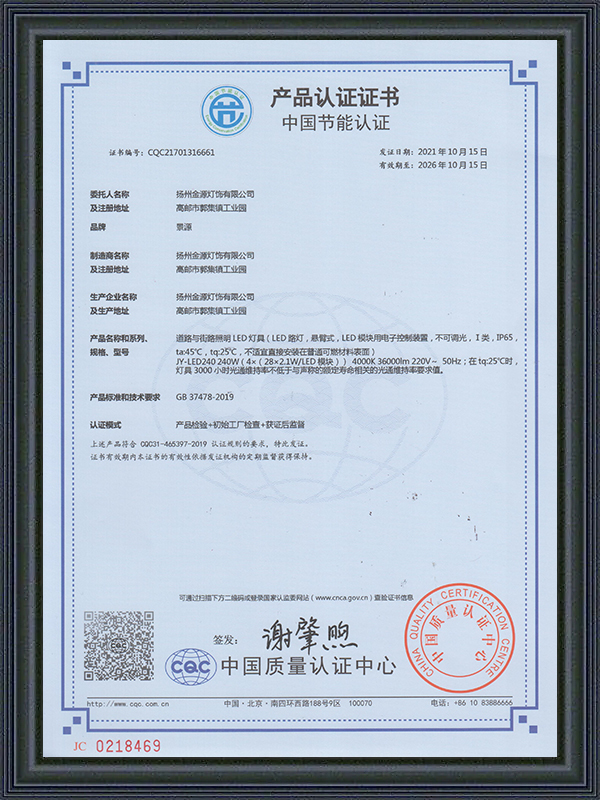
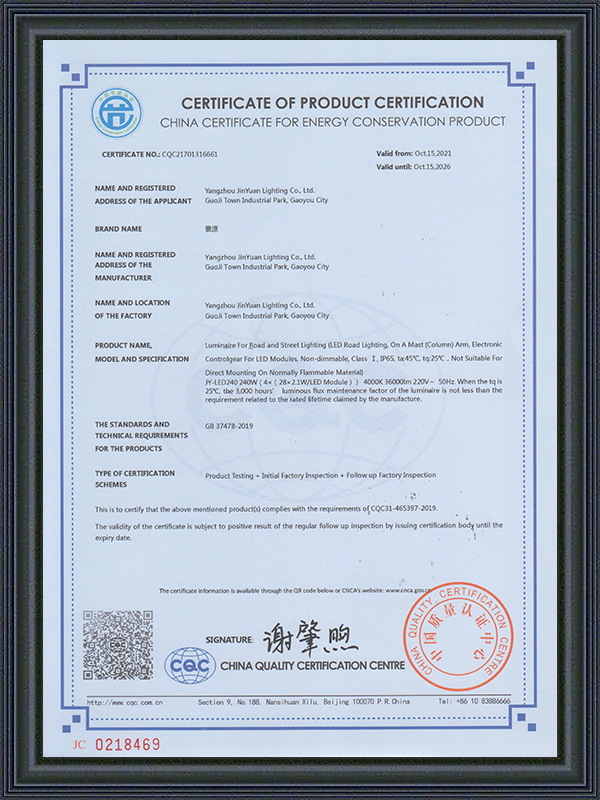
Optical Design and Secondary Lenses: The Yangzhou Jinyuan Standard The difference in beam patterns is achieved through sophisticated engineering of secondary optics. High-quality wide beam fixtures utilize prismatic lenses or faceted reflectors that manage light scattering with mathematical precision. At Yangzhou Jinyuan Lamps Co., Ltd., which is affiliated with Jinshang Electric Group, our engineering teams have dedicated over two decades to perfecting these optical systems. Established in 2002, our company has grown into one of the professional provincial large-sized production, design, and engineering firms in China's road illumination industry. We apply the same rigorous standards required for LED street lights to our specialized floodlights, ensuring that the light distribution is consistent, without artifacts or color shifting, even at the outer edges of the beam spread.
Application-Specific Logic and Lighting Intent Choosing between wide and narrow beams is ultimately a matter of "lighting intent." If the goal is to illuminate a specific vertical feature, such as a flagpole, a narrow column, or a unique architectural detail, a narrow beam is essential to provide focus and avoid "light spill" into the dark sky. However, for illuminating a large parking lot, a shipping yard, or a sprawling commercial complex, Wide Beam Floodlights are the only logical choice. They create a safe, navigable environment by illuminating objects from multiple angles, which effectively softens the harshness of shadows and provides better spatial awareness for pedestrians and drivers alike.
Technical Specification Matrix: Engineering Comparison:
|
Technical Feature
|
Wide Beam Floodlight (Industrial Grade)
|
Narrow Beam Spotlight
|
|
Typical Beam Angle
|
90° - 120°
|
10° - 45°
|
|
Lumen Output Range
|
10,000 - 100,000+ lm
|
2,000 - 20,000 lm
|
|
Ideal Mounting Height
|
6m - 25m
|
5m - 30m
|
|
Uniformity Ratio
|
Superior (0.4 - 0.6)
|
Low (High Contrast)
|
|
Heat Dissipation
|
Active/Passive Fin Design
|
Focused Core Cooling
|
|
Primary Material
|
Die-Cast Al / Tempered Glass
|
Machined Al / Precision Optics
|
|
Typical Application
|
Logistics, Stadiums, Roads
|
Flagpoles, Statues, Columns
|
Why Are Wide Beam Floodlights Ideal for Large-Area Lighting?
Large-area lighting presents a unique set of challenges that go beyond simple brightness. It requires a delicate balance of uniformity, energy efficiency, and minimized long-term maintenance costs. Wide Beam Floodlights are specifically engineered to address these structural and operational challenges, making them the industry standard for stadiums, industrial hubs, and large-scale public infrastructure.
Maximizing Uniformity and Eliminating "Hotspots" In professional lighting design, the "Uniformity Ratio" (the ratio of maximum to minimum lux levels) is the most critical metric for safety and comfort. Wide beam technology excels at creating a "seamless" layer of light. By carefully calculating the overlap of beams from adjacent fixtures, designers can eliminate dangerous "hotspots"—areas of excessive brightness that can cause temporary blindness—and dark "dead zones" where security risks are highest. This high level of uniformity is indispensable in industrial settings where precision movement of machinery is required, as well as in professional sports venues where high-speed action must be visible from every angle without visual distortion.
Infrastructure Efficiency and CAPEX Reduction One of the most compelling economic arguments for wide beam technology is the reduction in infrastructure requirements. Because each wide beam fixture covers a larger horizontal area, the total number of mounting locations (poles) and electrical circuits required is significantly reduced. This leads to massive savings in initial Capital Expenditure (CAPEX). As a leading manufacturer since 2002, Yangzhou Jinyuan Lamps Co., Ltd. specializes in the integrated design of street light poles and LED fixtures. We understand that by optimizing the beam spread of our floodlights, we can help our clients reduce the number of poles needed for a project, thereby lowering the cost of materials, trenching, cabling, and labor. Our products, including LED street lights and solar street lights, are highly appreciated by customers in domestic and overseas markets specifically for this integrated efficiency.
Visual Comfort and Human-Centric Design Wide beam floodlights provide superior visual comfort compared to an array of multiple narrow spots. By spreading the luminous flux over a larger optical aperture, the "luminance" or surface brightness of the fixture itself is reduced. This minimizes direct glare, making the environment much more pleasant for human occupants. This is particularly vital when these fixtures are used in high-traffic public squares or industrial estates, where light pollution and glare can negatively impact the safety of workers and the quality of the surrounding environment.
Versatility in Mounting and Low-Profile Applications While narrow beam lights often require very high mounting heights (12 meters or more) to allow the beam to expand sufficiently before hitting the ground, Wide Beam Floodlights are remarkably adaptable. They can be mounted at lower heights—between 4 and 8 meters—and still provide an impressive horizontal throw. This makes them ideal for building perimeters, lower-level security fencing, and pedestrian plazas where towering light masts would be aesthetically intrusive or structurally impossible.
Engineering for Resilience: The Jinshang Heritage Large-area lighting systems are intended to be multi-decade assets. At Yangzhou Jinyuan Lamps Co., Ltd., we leverage our 20+ years of experience in the rigorous road illumination sector to build floodlights that endure. Being a professional provincial large-sized company means we have the testing facilities to ensure our products withstand extreme wind loads, vibration, and thermal cycling. Our focus since 2002 has been on providing reliable engineering solutions that prevent the catastrophic failure of lighting in critical large-area zones, ensuring that safety is never compromised by hardware instability.
How to Choose the Right Wide Beam Floodlights for Outdoor Lighting?
The process of selecting the "right" floodlight involves a multifaceted evaluation that moves beyond lumens-per-watt. It requires a holistic understanding of the site's environmental conditions, regulatory requirements, and the specific visual tasks being performed.
Calculating Lux Targets and Photometric Accuracy The foundation of any selection process is a photometric study. You must determine the required "Lux" level—the density of light reaching the surface. A standard storage yard might require 20-30 lux, while a high-security container terminal or an airport apron might require 100-200 lux. Because wide beam fixtures spread their energy over a broad area, it is crucial to ensure that the "Total Luminous Flux" (measured in Lumens) is high enough to maintain the required lux levels at the furthest points of the area. Professional designers use specialized software to simulate how the chosen Wide Beam Floodlights will perform in a three-dimensional model of the site.
Thermal Management and Longevity of LED Arrays Heat is the primary enemy of LED longevity and efficiency. High-output floodlights generate significant thermal energy that must be dissipated to prevent "Lumen Depreciation" or premature failure of the LED chips. When choosing a fixture, inspect the "Heat Sink" design. Premium fixtures utilize high-grade, die-cast aluminum with deep cooling fins that maximize surface area for convection. At Yangzhou Jinyuan Lamps Co., Ltd., our manufacturing process since 2002 has prioritized heat management. Our LED street lights and floodlighting fixtures are engineered with independent thermal paths for the LEDs and the driver, ensuring that our products maintain their brightness and color stability for over 50,000 to 100,000 hours of operation.
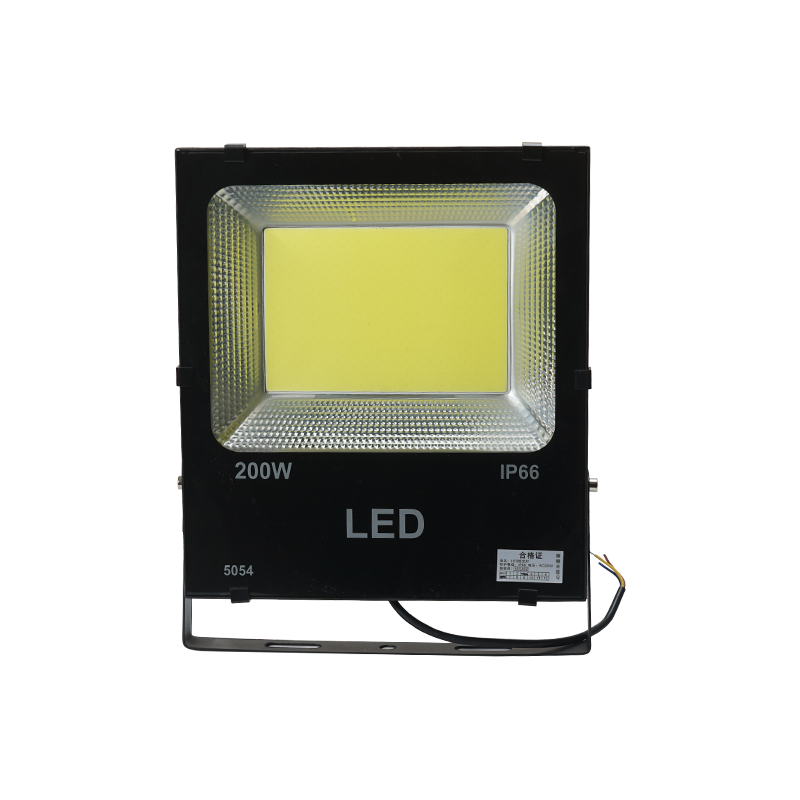
Ingress Protection (IP) and Corrosion Resistance Outdoor lighting is a battle against the elements. Fixtures must be hermetically sealed against dust, moisture, and insects. An Ingress Protection rating of IP65 is the bare minimum, while IP66 or IP67 is preferred for areas subject to heavy rain or high-pressure cleaning. Furthermore, for coastal or industrial environments, the finish of the housing must be treated for corrosion resistance. At Yangzhou Jinyuan, we use high-standard powder coatings and anodized finishes that have been proven in various global climates—from the high humidity of Southeast Asia to the salt-rich air of coastal Europe.
Color Temperature (CCT) and Rendering (CRI) The choice of Color Temperature dramatically affects visibility and mood. For security and industrial area lighting, a CCT of 4000K to 5000K (Cool White) is usually the standard, as it provides the highest contrast and perceived brightness. The Color Rendering Index (CRI) should also be at least 70 for general areas and 80+ for areas where color identification is critical, such as loading docks or retail outdoor displays.
Smart Controls and Future-Proofing Modern outdoor lighting must be "intelligent." Selecting Wide Beam Floodlights that are compatible with dimming protocols (like 0-10V, DALI, or Zigbee) allows for significant energy savings through "Scheduling" or "Motion Sensing." A system that dims to 20% during periods of low activity can reduce energy costs by up to 60% annually. This technological integration is a core component of the engineering services we provide at Yangzhou Jinyuan, helping our customers transition to "Smart City" infrastructures.
Environmental Compliance and Dark Sky Initiatives As global awareness of light pollution grows, choosing fixtures that minimize "Upward Light Output" (ULOR) is increasingly important. Look for floodlights with full cut-off designs or those that can be fitted with external visors and barn doors. These accessories ensure that the wide beam is directed exactly where it is needed—on the ground—and not wasted in the atmosphere. This responsible design approach is part of our commitment at Yangzhou Jinyuan Lamps Co., Ltd. to promote sustainable development through energy conservation and emission reduction.
The strategic deployment of Wide Beam Floodlights is the most efficient and effective method for providing safety, visibility, and professional aesthetics to large outdoor environments. From the physics of the beam angle to the intricacies of thermal management, every aspect of the selection process must be handled with technical expertise.
By partnering with an industry leader like Yangzhou Jinyuan Lamps Co., Ltd., you gain access to a wealth of knowledge accumulated since 2002. Whether your project involves the illumination of a complex industrial port, a safe municipal roadway, or a high-end commercial facility, our range of LED street lights, solar street lights, and specialized floodlights provides the durability and performance you require. We continue to innovate, ensuring that we remain at the forefront of China's road illumination industry, lighting the path toward a safer and more efficiently illuminated global future.