


JINYUAN
JINYUAN
JINYUAN
JINYUAN
JINYUAN
JINYUAN
JINYUAN
JINYUAN
JINYUAN
JINYUAN
JINYUAN
JINYUAN
JINYUAN
JINYUAN
JINYUAN
JINYUAN
Content
Lighting standards are the quiet backbone of every well-designed outdoor space. They tell us how much light is enough, where it should go, and how to keep it from becoming a nuisance. Whether you are lighting a highway, a port, a sports field, or a solar-powered village street, standards give engineers, planners, and manufacturers a common language. At Yangzhou Jinyuan Lamps, we have been working with these standards since 2002, and we know that they are not just boxes to tick—they are practical tools for delivering safe, comfortable, and energy-efficient lighting.
In this guide, we walk through the standards that matter most for outdoor and infrastructure lighting, the metrics they rely on, and how to choose luminaires that meet them without overcomplicating the process.
Why Lighting Standards Matter
Standards exist to balance three goals: safety, performance, and sustainability. Good lighting helps drivers see hazards, pedestrians feel secure, and workers perform tasks without strain. But over-lighting wastes energy and creates glare and light trespass. Standards provide recommended levels for illuminance, luminance, uniformity, and glare control. They also cover color quality, maintenance factors, and energy use.
The table below summarizes the metrics you will see most often in outdoor and industrial lighting standards. Understanding these terms makes it much easier to compare luminaires and review photometric reports.
| Metric | What it describes | Why it matters |
|---|---|---|
| Illuminance | Lux or footcandles on a surface | Ensures enough light for the task |
| Luminance | Brightness of a surface as seen by the eye | Relates to visual comfort and perceived safety |
| Uniformity | Ratio of minimum to average illuminance | Prevents dark patches and adaptation problems |
| Glare (TI or GR) | Threshold increment or glare rating | Limits discomfort and disability glare |
| CRI | Color rendering index | Helps people identify objects and faces accurately |
| CCT | Correlated color temperature | Affects atmosphere and visual clarity |
| LENI | Lighting energy numeric indicator | Measures actual energy use per square metre per year |
These metrics interact. A road with high illuminance but poor uniformity can still feel unsafe. A sports field with excellent uniformity but high glare will annoy players and neighbors. That is why standards set limits for multiple criteria at once.
Key Lighting Standards by Application
Different applications call for different standards. Below we outline the ones we encounter most often in outdoor and infrastructure lighting.
Roadway and Street Lighting
For roads and highways, the most widely referenced standards are EN 13201 in Europe, IES RP-8 in North America, and CIE 115 internationally. They define lighting classes based on road type, traffic volume, and ambient conditions. A major highway might require high luminance and tight uniformity, while a residential street can use lower levels. Glare is controlled through thresholds for threshold increment (TI) or glare rating (GR). Many modern projects also ask for adaptive lighting, where dimming schedules save energy without compromising safety.
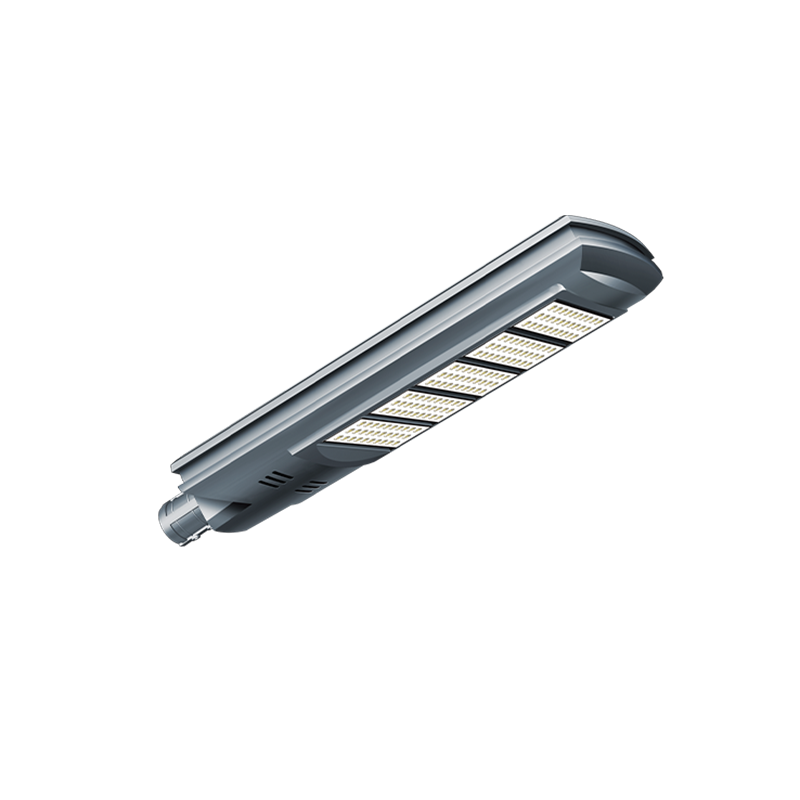
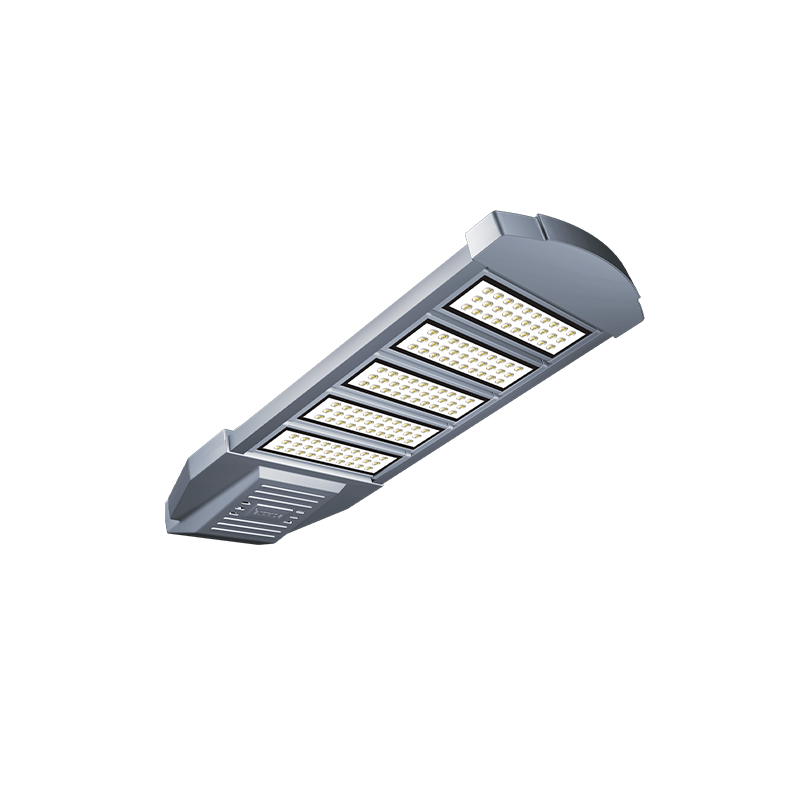
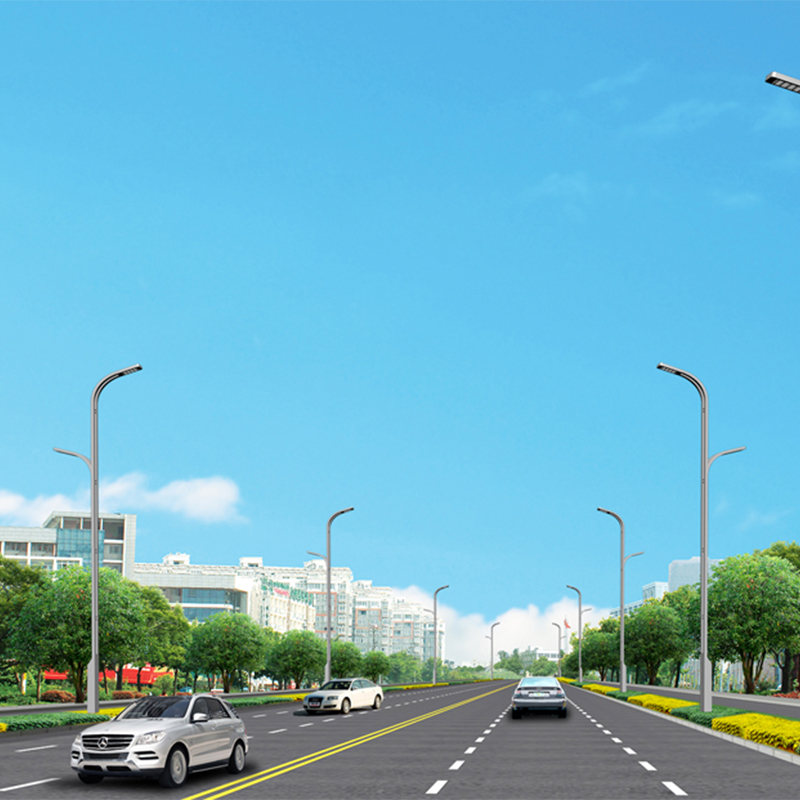 Modular Anti-Glare LED Street LuminaireA modular LED street luminaire with anti-glare optics and tunable light distribution for road-class compliance and driver comfort.View Product →
Our modular anti-glare LED street luminaires are designed with these standards in mind. The modular optical design lets us tune light distribution to meet specific road classes, while the anti-glare feature keeps discomfort to a minimum.
High Mast and Sports Lighting
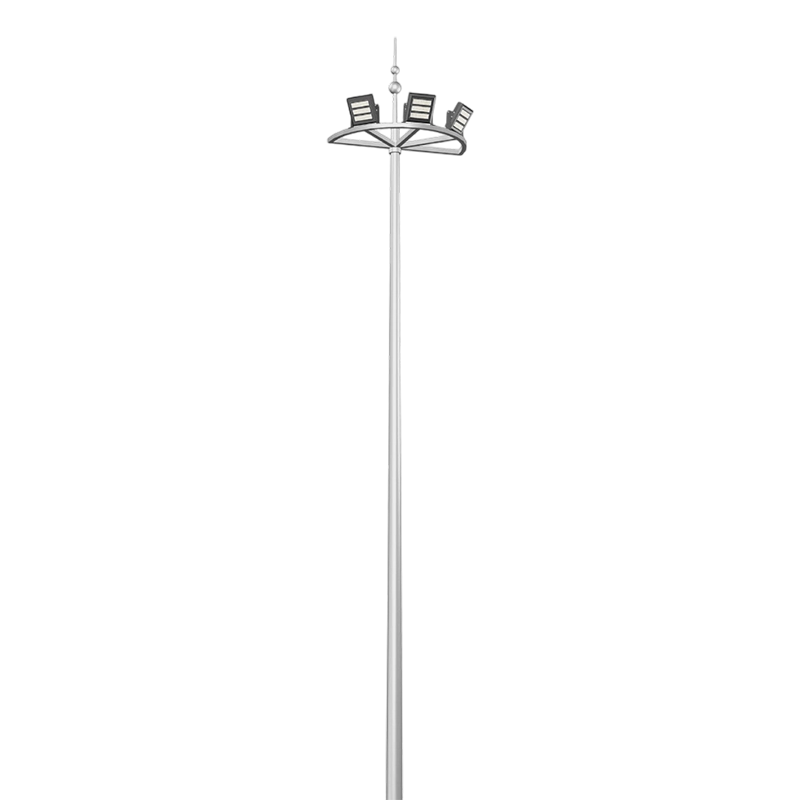
High mast lighting serves airports, ports, stadiums, and large interchange areas. Standards here emphasize high uniform illuminance over large areas, strict glare control, and minimal spill light. For sports lighting, EN 12193 and IES RP-6 define vertical and horizontal illuminance requirements for different levels of play. For ports and airports, lighting must often comply with specific operational and safety guidelines, including emergency lighting and maintenance access.
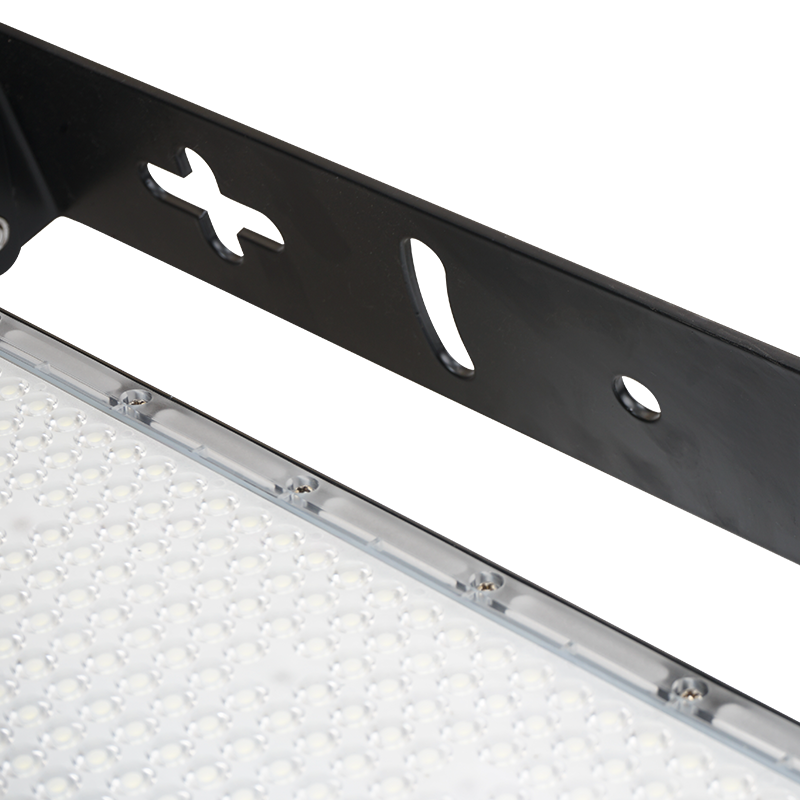 High-Efficiency LED High-Pole Port LightingLED high-pole lighting for ports and large outdoor areas, featuring corrosion-resistant aluminum housing, dimming support, and stable operation in harsh maritime conditions.View Product →
We build high mast systems with retractable or tiltable options that make maintenance safer and easier. Photometric reports are available for each configuration so you can verify compliance before installation.
Solar and Off-Grid Lighting
Solar street lighting has its own set of standards. IEC 62257 provides guidance for off-grid renewable energy systems, including solar lighting. Key considerations include battery performance, charge controller reliability, IP ratings for dust and water, and the ability to operate for several days without sun. Lighting standards for the luminaire itself still apply—solar does not excuse poor optics or glare.
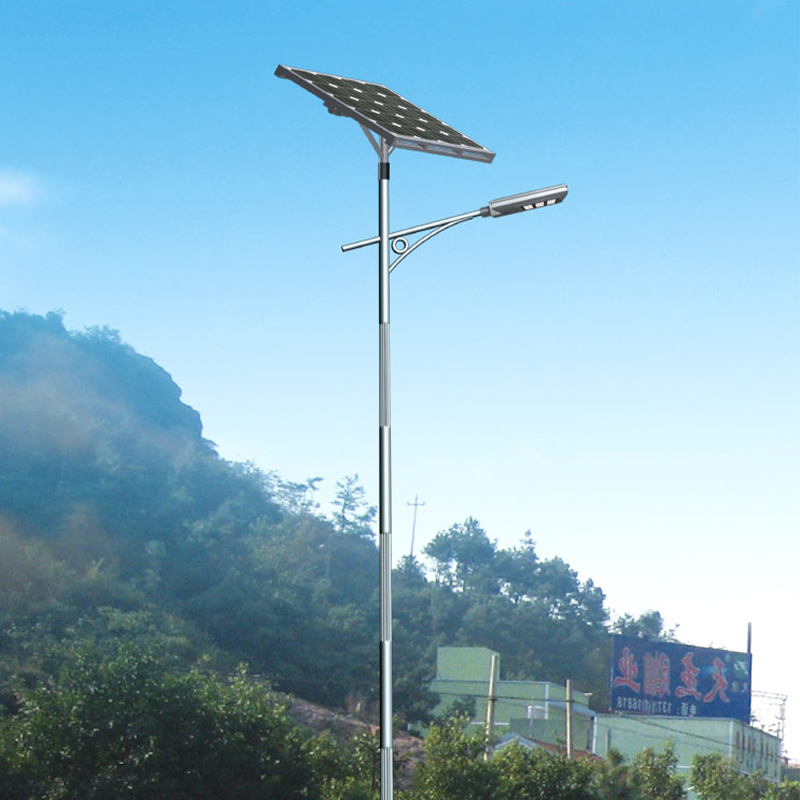 Adaptive All-in-One Solar Street LightIntegrated solar street lighting with MPPT charging, motion sensing, and automatic dusk-to-dawn operation for remote sites and areas with limited grid access.View Product →
Our all-in-one solar street lights combine adaptive dimming, high-efficiency panels, and robust batteries. We test them against common international standards so they perform reliably in remote or unstable-grid locations.
Industrial and Commercial Lighting
Industrial facilities often follow OSHA requirements for minimum illumination, along with ANSI/IES recommended practices for specific tasks. For example, IES RP-1 covers office lighting, while RP-20 addresses parking facilities. Warehouses and factories may refer to EN 12464-1 for indoor work places. In all cases, the goal is to match light levels to the task, control glare, and maintain good color rendering so workers can see clearly and safely.
How Standards Are Evolving
Lighting standards are not static. They are updated to reflect new technology and new priorities. One clear trend is the shift from simple power limits to energy performance metrics like LENI (Lighting Energy Numeric Indicator), which measures actual energy consumption per square meter per year. Another trend is the integration of smart controls. Standards are beginning to address adaptive lighting, networked systems, and even cybersecurity for connected street lights.
You can read more about this shift in our article on what smart street lighting really is.
We follow these developments closely. Our smart-ready luminaires and poles can accommodate sensors, communication modules, and dimming protocols, helping projects stay compliant as standards evolve.
Choosing Luminaires That Meet Standards
When selecting luminaires, look beyond the datasheet's headline lumens. Ask for photometric files (IES or LDT) and LM-79 test reports. Check LM-80 data for LED lumen maintenance. Verify IP and IK ratings for the environment. Confirm that the driver and controls are compatible with your dimming strategy. And always compare the reported light distribution against the standard you need to meet.
Our LED street lighting range includes modular luminaires, poles, and solar options that can be configured to meet EN 13201, IES RP-8, or project-specific requirements.
Because we design and manufacture in-house, we can provide custom photometric layouts and technical documentation. Our team works with lighting designers and contractors every day to translate standards into practical specifications.
Lighting standards can seem complex, but they ultimately serve a simple purpose: to help people see well without wasting resources or causing harm. If you are planning a roadway, port, stadium, or solar lighting project, we are happy to share our experience and help you choose the right products. Get in touch with our team for a free quote or technical consultation.