


Cities around the world are under increasing pressure to modernize aging infrastructure while reducing energy consumption and operating costs. Street lighting, which often represents a significant portion of a municipality's electricity budget, has become one of the primary targets for this modernization effort. IoT-integrated sustainable smart street lighting brings together connected sensors, adaptive controls, and energy efficient fixtures to transform what was once a static, always on system into a responsive network capable of adjusting to real time conditions. This article examines the technology behind these systems, their sustainability benefits, core features, and the practical considerations involved in planning and deploying them.
What Is IoT-Integrated Sustainable Smart Street Lighting
IoT-integrated sustainable smart street lighting refers to a networked lighting infrastructure in which individual streetlights are equipped with sensors, wireless communication modules, and often energy efficient LED fixtures, all connected to a centralized management platform through the Internet of Things. Rather than operating on fixed schedules or simple photocell triggers, each light can communicate its status, respond to environmental conditions, and be remotely monitored or adjusted by city operators.
The sustainable component of these systems reflects their design intent, which is to reduce overall energy consumption, minimize light pollution, extend the operational lifespan of lighting infrastructure, and support broader environmental goals through more efficient resource use. Combined, these characteristics distinguish smart street lighting from traditional systems, which typically operate at full brightness throughout the night regardless of actual pedestrian or vehicle activity.
Core Components of the System
LED Fixtures and Energy Efficient Light Sources
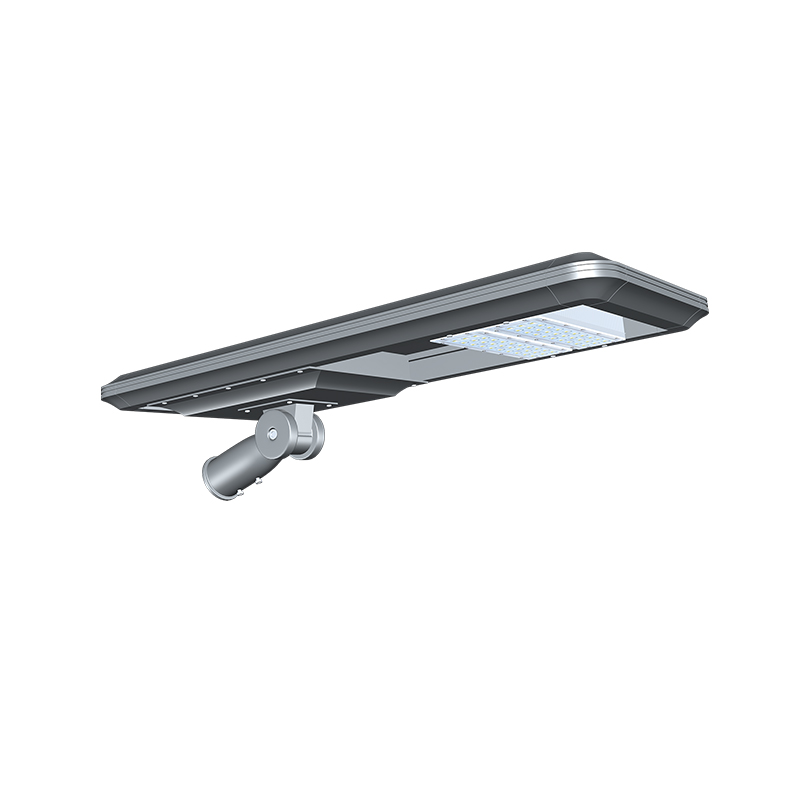
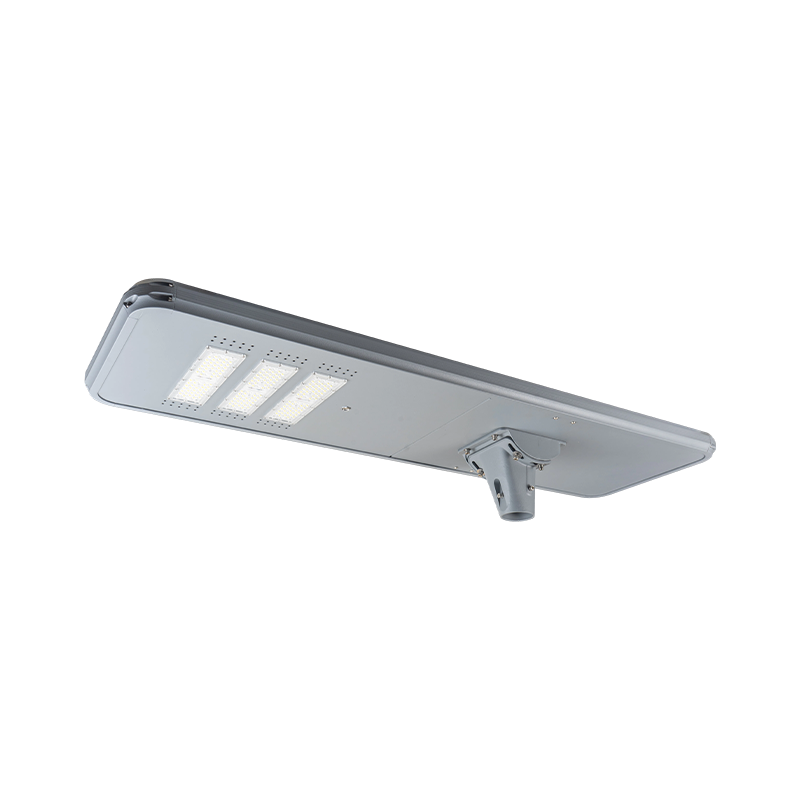
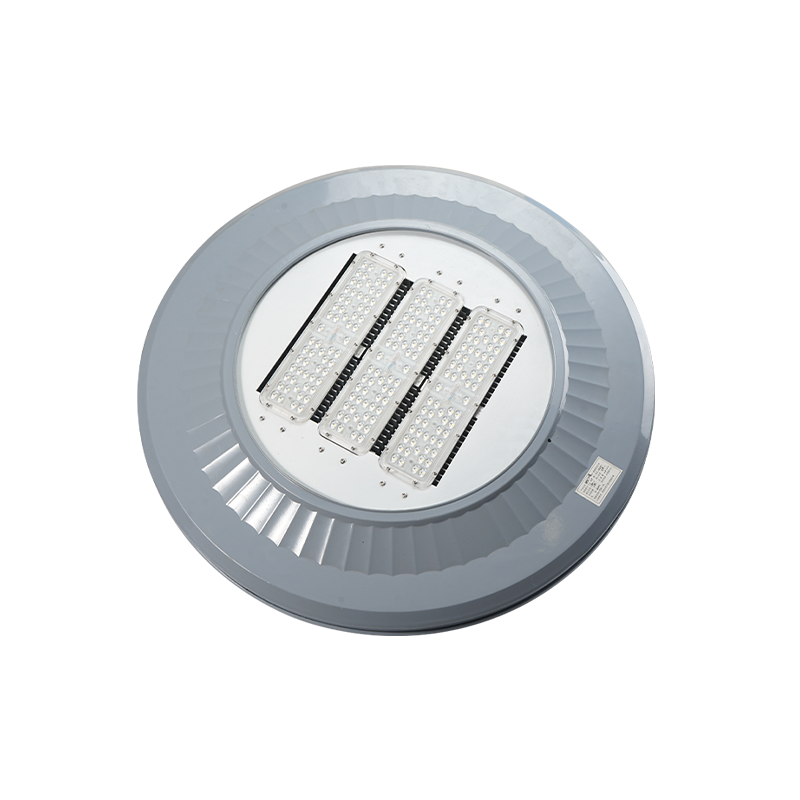
Most smart street lighting deployments are built around LED fixtures rather than older high pressure sodium or mercury vapor lamps. LED technology offers substantially higher energy efficiency, longer operational lifespan, and better light quality, including more accurate color rendering that can improve visibility for both pedestrians and drivers. LEDs also allow for more precise dimming control, which is essential for the adaptive lighting behaviors that define smart lighting systems.
Sensors and Environmental Monitoring
Each smart streetlight typically incorporates one or more sensors that allow it to respond to its surroundings. Common sensor types include ambient light sensors that detect natural daylight levels, motion or presence sensors that identify pedestrian or vehicle activity, and in more advanced installations, environmental sensors capable of measuring air quality, temperature, humidity, or noise levels. These additional sensors allow streetlights to serve as data collection points for broader smart city initiatives beyond their primary lighting function.
Wireless Communication Networks
Connectivity is the defining feature that separates smart street lighting from simple LED retrofits. Streetlights typically communicate with a central management platform using wireless protocols such as cellular networks, LoRaWAN, Zigbee, or dedicated mesh networking technology designed specifically for municipal infrastructure. This connectivity allows individual fixtures to report operational status, receive updated dimming schedules, and transmit sensor data back to a centralized dashboard in near real time.
Centralized Management Platform
At the heart of any IoT-integrated lighting system is a software platform that aggregates data from every connected fixture, allowing city staff to monitor the entire network from a single interface. These platforms typically display real time status information, energy consumption metrics, fault alerts, and historical performance data, enabling more informed decision making around maintenance scheduling and energy management strategies.
How Adaptive Lighting Improves Sustainability
The sustainability advantages of IoT-integrated street lighting stem largely from its ability to move beyond fixed, always on operation toward a more responsive model that matches light output to actual need. The following sections detail the primary mechanisms behind these energy savings.
Adaptive Dimming Based on Activity
Rather than remaining at full brightness throughout the entire night, many smart lighting systems use motion or presence sensors to detect when pedestrians or vehicles are nearby, increasing brightness only when needed and dimming back down to a lower baseline level during periods of inactivity. This approach can lead to substantial energy savings on streets or pathways with intermittent nighttime traffic, without compromising safety when activity is detected.
Daylight Harvesting and Automatic Scheduling
Ambient light sensors allow streetlights to adjust their activation times based on actual natural light conditions rather than fixed clock based schedules, which can vary significantly with seasonal changes in sunset and sunrise times. This ensures lights are not left on unnecessarily during periods of adequate natural daylight, further reducing energy waste across the network.
Remote Fault Detection and Reduced Energy Waste
Traditional street lighting systems often rely on manual inspection or citizen reports to identify malfunctioning fixtures, which can result in lights remaining stuck on full brightness, flickering, or burning out unnoticed for extended periods. Connected systems can automatically flag fixtures operating outside expected parameters, allowing maintenance teams to address issues more quickly and reducing the energy waste associated with malfunctioning equipment.
Reduced Light Pollution
By dimming lights during low activity periods and precisely directing illumination where it is needed, smart lighting systems can help reduce unnecessary light spillage into the night sky and surrounding areas. This contributes to lower light pollution levels, which has benefits for local ecosystems, nighttime visibility of stars, and the overall wellbeing of nearby residents.
IoT Integration and Smart City Connectivity
Data Sharing Across Municipal Systems
Because IoT-integrated street lighting networks already possess widespread physical coverage and power access across a city, they are increasingly being leveraged as a backbone for broader smart city applications. Sensors mounted on streetlight poles can support additional functions such as traffic monitoring, air quality tracking, or even public Wi-Fi access points, extending the value of the lighting infrastructure investment beyond illumination alone.
Integration With Traffic and Public Safety Systems
Some advanced deployments integrate street lighting data with traffic management systems, allowing lighting patterns to respond to traffic flow information or coordinate with intersection signals during peak congestion periods. Similarly, integration with public safety systems can enable rapid brightness increases in specific areas in response to reported incidents, supporting both visibility and situational awareness for emergency responders.
Predictive Maintenance Through Data Analytics
The continuous stream of operational data generated by connected fixtures allows municipalities to move from reactive maintenance, where repairs happen only after a failure is reported, toward predictive maintenance, where data patterns can indicate when a fixture is likely to fail before it actually does. This proactive approach can reduce unexpected outages and extend the overall service life of lighting infrastructure.
Comparing Traditional and Smart Street Lighting
The table below highlights key differences between traditional street lighting systems and IoT-integrated sustainable smart street lighting.
| Feature | Traditional Street Lighting | IoT-Integrated Smart Street Lighting |
|---|---|---|
| Light Source | Often high pressure sodium or older technology | Predominantly energy efficient LED fixtures |
| Operating Schedule | Fixed timer or basic photocell activation | Adaptive scheduling based on daylight and activity sensors |
| Brightness Control | Typically fixed at full output when active | Dimmable based on real time conditions |
| Fault Detection | Relies on manual inspection or citizen reports | Automated remote monitoring and alerts |
| Data Collection | Minimal to none | Continuous operational and environmental data |
| Energy Efficiency | Lower, due to constant full output operation | Higher, through adaptive dimming and LED efficiency |
Tip: When evaluating a smart lighting deployment, ask vendors for documented energy savings data from comparable prior installations rather than relying solely on theoretical efficiency estimates, since real world savings can vary based on local traffic patterns and existing infrastructure conditions.
Planning and Deployment Considerations
Infrastructure Assessment
Before deploying a smart lighting network, municipalities typically conduct a thorough assessment of existing infrastructure, including pole conditions, wiring compatibility, and power supply capacity, to determine whether a full fixture replacement or a retrofit approach is more appropriate for the local context.
Network Connectivity Planning
Selecting an appropriate wireless communication technology depends on factors such as city size, existing network infrastructure, and data transmission requirements. Denser urban environments may benefit from mesh networking technology, while more spread out municipalities might rely more heavily on cellular connectivity for individual fixtures.
Cybersecurity and Data Protection
Because smart street lighting systems are connected to broader municipal networks, cybersecurity considerations are an important part of the planning process. Proper encryption, secure authentication protocols, and regular software updates help protect the system from unauthorized access that could compromise both the lighting network and any connected smart city systems.
Community Engagement and Lighting Standards
Adjustments to street lighting behavior, particularly adaptive dimming, can affect community perceptions of safety and visibility. Successful deployments often involve public engagement processes to explain how the system works and gather feedback, along with adherence to established lighting standards that ensure minimum brightness levels are maintained in areas with pedestrian activity or higher safety requirements.
Note: Many municipalities choose to implement smart street lighting in phases, starting with a pilot zone to evaluate performance, gather resident feedback, and refine operational parameters before expanding to citywide coverage.
Financial and Environmental Impact
Reduced Operating Costs
The combination of energy efficient LED fixtures and adaptive dimming schedules typically results in significant reductions in electricity consumption compared to traditional lighting systems, translating directly into lower municipal utility expenses over time. Reduced maintenance costs, driven by longer LED fixture lifespans and predictive maintenance capabilities, further contribute to long term operational savings.
Return on Investment Considerations
While the upfront investment required for IoT-integrated smart lighting infrastructure is generally higher than a simple LED retrofit, many municipalities find that the combination of energy savings, reduced maintenance costs, and additional smart city data value can offset this initial cost over a multi year period, with the exact timeline depending on local energy prices, existing infrastructure condition, and system scale.
Environmental Benefits Beyond Energy Savings
In addition to direct energy reductions, smart street lighting supports broader environmental goals through decreased light pollution, which benefits local wildlife and ecosystems that are sensitive to artificial nighttime lighting. The extended lifespan of LED fixtures also reduces the frequency of fixture replacement, contributing to lower material waste over time compared to shorter lived traditional lighting technology.
Common Challenges in Implementation
- Upfront capital costs can be a barrier for municipalities with limited infrastructure budgets, often requiring phased rollouts or external funding sources to manage initial investment.
- Integration with legacy electrical infrastructure may require additional engineering work, particularly in older cities with inconsistent pole and wiring conditions.
- Ensuring reliable network connectivity across an entire municipal area can be technically challenging, especially in regions with limited existing telecommunications infrastructure.
- Balancing energy savings goals with community expectations around consistent brightness and perceived safety requires careful calibration of adaptive lighting parameters.
- Long term data management and cybersecurity maintenance require ongoing municipal resources beyond the initial installation phase.
Frequently Asked Questions
How much energy can a city typically save with smart street lighting
Savings vary depending on the specific technology deployed, existing infrastructure, and local usage patterns, but many municipalities report substantial reductions in street lighting energy consumption after transitioning from traditional systems to LED based smart lighting with adaptive dimming capabilities.
Does dimming streetlights during low activity periods compromise safety
Well designed systems are configured to maintain minimum safety compliant brightness levels at all times, with dimming typically limited to a reduced but still functional baseline rather than turning lights off entirely, and brightness automatically increasing when motion or activity is detected.
Can existing streetlight poles be retrofitted rather than replaced entirely
In many cases, yes. Retrofitting existing poles with smart LED fixtures and sensor modules is often more cost effective than full pole replacement, provided the existing infrastructure meets basic electrical and structural requirements for the new equipment.
What happens if network connectivity is temporarily lost
Most smart street lighting systems are designed with fallback operating modes, allowing individual fixtures to continue functioning based on their last received schedule or basic photocell activation if network connectivity is temporarily interrupted, ensuring lighting continuity even during connectivity issues.
The Future of Smart Street Lighting
As smart city initiatives continue to expand globally, IoT-integrated sustainable smart street lighting is expected to play an increasingly central role, not only as a lighting solution but as foundational infrastructure supporting broader urban data collection and management systems. Continued advances in sensor technology, artificial intelligence based traffic and pedestrian analysis, and renewable energy integration, such as solar powered fixtures, are likely to further enhance both the sustainability and functionality of these networks. As costs for connected infrastructure continue to decline and municipal sustainability goals become more pressing, smart street lighting is positioned to become a standard component of modern urban infrastructure planning.
In summary, IoT-integrated sustainable smart street lighting represents a significant advancement over traditional lighting infrastructure, combining energy efficient LED technology, responsive sensor networks, and centralized digital management to reduce energy consumption, lower maintenance costs, and support broader smart city goals. By carefully planning infrastructure assessments, network connectivity, cybersecurity measures, and community engagement, municipalities can implement systems that deliver measurable financial and environmental benefits while maintaining safe, reliable illumination for residents and visitors alike.